


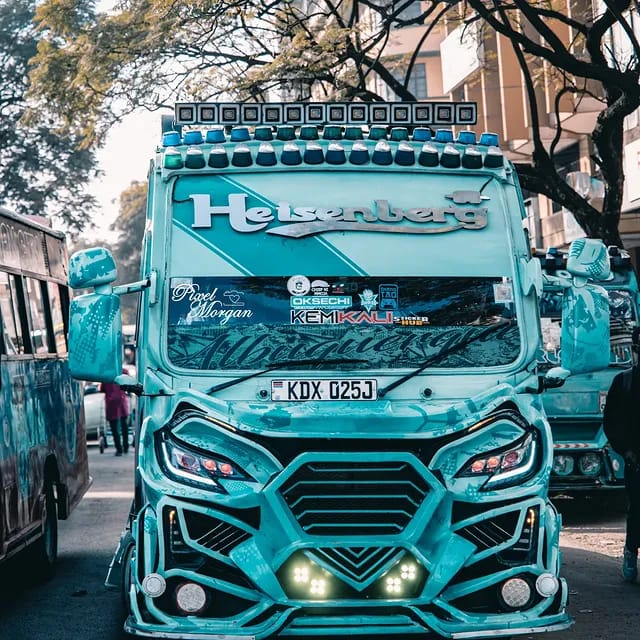
President William Ruto has directed the National Transport and Safety Authority (NTSA) to create an enabling environment that allows matatu operators to continue using graffiti and artwork on their vehicles, while ensuring safety standards and respect for other road users are maintained.
The move comes amid rising tension in the public transport sector over claims that operators had been instructed to remove all graffiti from their matatus.
Recognizing the matatu industry as both an economic pillar and a cultural space, the President emphasized that creative expression should not be treated as a liability.
“The industry is telling me that they have been told they must remove all graffiti from their matatus. And I’m asking myself why,” he stated, signaling concern over blanket enforcement measures that could undermine the sector’s identity and livelihoods.
Transport Sector Reform and Stakeholder Engagement
The directive places NTSA at the centre of a renewed consultation process with matatu SACCOs, artists, and transport stakeholders to develop practical and sustainable solutions.
The government’s position, according to the President, is to avoid policies that disrupt economic activity or erase the artistic identity that has long defined Kenya’s public transport system.
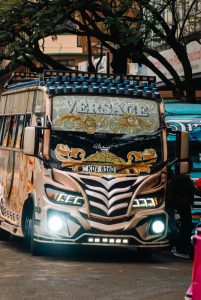
The matatu graffiti culture has evolved into a recognised form of urban expression, blending music, politics, and youth identity into mobile canvases that move millions daily.
However, concerns have been raised in regulatory circles over visibility, distraction, and road safety compliance, prompting calls for tighter controls.
President Ruto underscored the need for balance, stating that regulation should not stifle creativity. He added that the government will continue engaging stakeholders across the transport sector to ensure that both safety and economic livelihoods are protected.

Call for Calm and National Unity
At the same time, the President called on Kenyans to remain calm and avoid misinformation amid ongoing debates in the transport sector.
He urged citizens to reject division, fear, and violence, warning that instability undermines both livelihoods and the broader economy.
“While every citizen has a right to express their concerns, collectively we must reject hooliganism and all forms of violence that lead to the loss of lives, property, disrupting livelihoods and undermining our economy,” he said.
He further appealed for responsible conduct among road users and transport operators, encouraging cooperation and unity as the country navigates regulatory reforms.
The directive sets the stage for a more structured framework on matatu branding, aiming to preserve Kenya’s vibrant transport art culture while reinforcing safety and order on the roads.